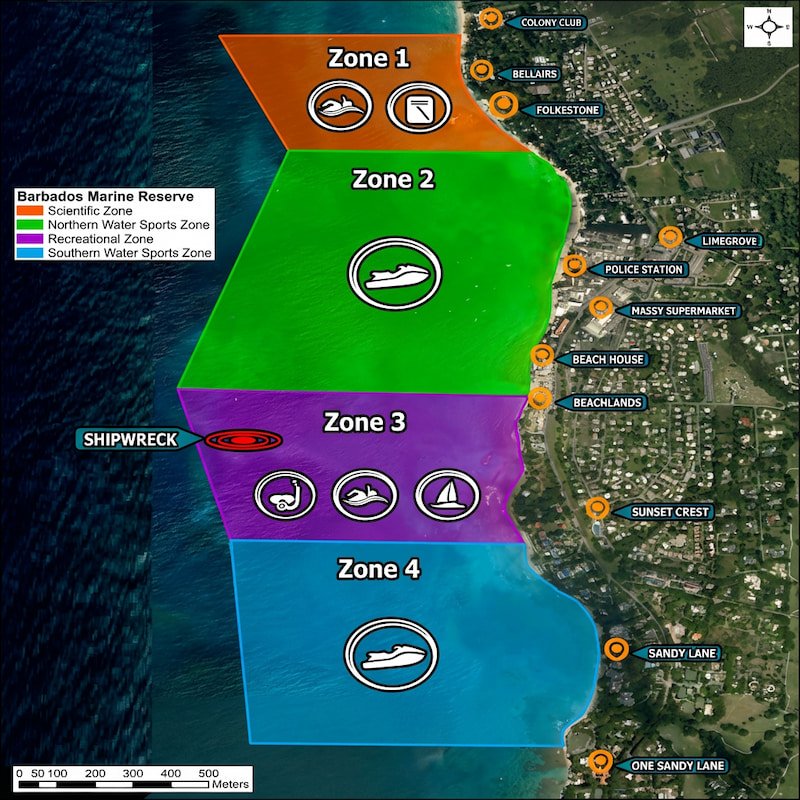
The conservation of the Barbados marine environment is managed through a rigorous framework established by the Barbados Marine Trust and the Coastal Zone Management Unit (CZMU). Within the 0.6 square kilometres of the Folkestone Marine Reserve, the philosophy of “Take only pictures, leave only bubbles” is not a mere suggestion but a management protocol designed to protect fringing reefs that have faced significant pressure from coastal development and rising sea temperatures. Snorkellers are classified as temporary guests within a delicate biological system, where a single fin strike can destroy decades of coral growth.
The preservation of our reef systems depends entirely on the transition from passive observation to active stewardship by every individual who enters the water.
Barbados Marine Trust Guidelines
Effective reef management in the St. James parish relies on a collaborative effort between the CZMU and local conservationists. This partnership ensures that the marine park remains a sanctuary for biodiversity while allowing for sustainable tourism. Before you head to the water, it is essential to understand the Plan Your Visit safety protocols, which include recognising the physical boundaries of the park and the specific protections afforded to the 1981-established reserve.
Understanding CZMU Exclusion Zones
The Coastal Zone Management Unit (CZMU) maintains strict “No-Boat Zones” at Folkestone to prevent collisions between motorised vessels and snorkellers. These zones are demarcated by large orange or white spherical buoys. Swimmers must remain shoreward of these markers. Under the Marine Boundaries and Jurisdictions Act, any unauthorised motorised vessel entering these exclusion zones is subject to heavy fines and legal prosecution. These markers are critical in high-traffic areas where catamarans often navigate the deeper channels just outside the reef crest.
Never cross the line of white and orange buoys; they are the only physical barrier between you and high-speed catamaran traffic.
Safety at Folkestone is further enhanced by the presence of a dedicated lifeguard station. Always observe the colour-coded flags before entering the water: a yellow flag indicates caution, while a red flag signals dangerous conditions, often caused by the “North Swell” that affects the West Coast between November and March. For more information on navigating to the park from the cruise terminal or airport, consult our Barbados transport guide.
Barbados Water Safety Visual Guide
| Marker/Signal | Meaning | Requirement |
|---|---|---|
| Orange Spherical Buoy | No-Boat Exclusion Zone | Safe for swimming/snorkeling |
| Red Flag / White Stripe | Divers Down | Mandatory for snorkeling >30m offshore |
| Yellow Marker | Marine Park Boundary | No anchoring or fishing permitted |
| Yellow Flag (Beach) | Cautionary Conditions | Exercise high vigilance for currents |
The 30-Metre Rule and Surface Marker Requirements
While the inshore reef at Folkestone provides ample viewing opportunities within the safety of the exclusion zone, some experienced snorkellers choose to venture toward the deeper patch reefs. If you swim more than 30 metres away from the shoreline or outside the marked exclusion zones, the Barbados Marine Trust recommends the use of a “Divers Down” flag—a red rectangle with a white diagonal stripe. This is a vital safety requirement to signal your presence to glass-bottom boats and passing water sports operators.
- Visual Visibility: High-visibility surface markers prevent accidents in areas where the Barbados Turtle and Shipwreck Snorkel Adventure and other tours operate.
- Current Management: Beyond the 30-metre mark, you may encounter longshore currents that move parallel to the beach; a buoy provides a flotation point if you become fatigued.
- Equipment Rental: You can secure appropriate safety gear and markers at the rental kiosks detailed in our Plan Your Visit section.
Protecting Coral from the “Toxic 3”
Traditional chemical sunscreens contain compounds that are catastrophic for coral health. When these chemicals wash off a snorkeller’s skin, they can induce coral bleaching even at low concentrations and cause DNA damage to larval coral. Barbados is currently transitioning toward stricter regulations to protect its reefs from these “Toxic 3” chemicals. When preparing for your snorkeling activities, ensure your products do not contain:
- Oxybenzone: Known to disrupt coral reproduction and growth.
- Octinoxate: A primary contributor to rapid coral bleaching in tropical waters.
- Octocrylene: Accumulates in marine tissues and causes endocrine disruption in fish.

Instead, look for mineral-based protection. Non-nano Zinc Oxide and Titanium Dioxide act as physical blockers that reflect UV rays without dissolving into the water column. These minerals are reef-safe because they do not interfere with the coral’s biological processes. For the best protection during long-duration sessions, such as a Folkestone Coral Reef Clear Kayak Tour, apply mineral sunscreen 20 minutes before entering the water to ensure the physical barrier has set on the skin.
Identifying Fire Coral and Sea Urchin Protocol
Distinguishing between harmless coral and hazardous species is a fundamental skill for snorkellers. At Folkestone, Fire Coral (Millepora) is frequently mistaken for Mustard Hill Coral. Fire coral is characterised by smooth, bright yellow-brown structures with distinct white “stinging” tips. Contact results in a painful burning sensation and skin welts. If stung, the recommended first aid is a white vinegar rinse to neutralise the nematocysts; never use fresh water, as it can cause the stinging cells to fire again. You can learn more about these species at the Folkestone Museum & Marine Heritage centre.
Another common reef inhabitant is the Long-spined Sea Urchin (Diadema antillarum). These are essential reef grazers that consume algae, but their brittle, barbed spines pose a risk to anyone attempting to stand on submerged rocks. If punctured, the area should be soaked in the highest temperature water tolerable (approximately 43-45°C) for 30 to 90 minutes. This heat helps break down the protein-based toxin within the spine. Avoid trying to pull the spines out with tweezers, as they are designed to shatter upon removal; the body will typically absorb or expel the fragments over several weeks.
Sea Turtle Etiquette: The 3-Foot Rule
The Barbados Sea Turtle Project maintains a strict “3-Foot Rule” for all human-wildlife interactions. While Hawksbill and Green turtles are common on the West Coast, they are air-breathers that must return to the surface regularly. Snorkellers must never swim directly above a turtle, as this blocks their path to the surface and can cause the animal to panic and drown. Always approach from the side, maintain a minimum distance of three feet, and never attempt to touch or hitch a ride on their shells, as the bacteria from human hands can lead to infections on their carapaces.
Snorkeling Safety FAQ
Is reef-safe sunscreen mandatory by law in Barbados?
While not yet a nationwide legal mandate, the Barbados government and the Ministry of Environment strongly advocate for mineral-based sunscreens, and many local tour operators now prohibit the use of chemical filters on their vessels. Visitors are expected to comply with these conservation standards to prevent further DNA damage to the island’s fringing reefs.
Where can I rent a ‘Divers Down’ buoy in Holetown?
Standardised safety buoys and “Divers Down” flags can be rented from the watersports operators located directly on the beach at Folkestone Marine Park or at various dive shops throughout Holetown. Prices typically range from BDS $20 to $40 for a daily rental, often requiring a small refundable deposit.
What should I do if a boat enters a marked exclusion zone?
If you observe a motorised vessel inside the orange and white buoy markers, you should immediately exit the water or move to the shallowest point possible for safety. Note the name of the vessel or its registration number and report the incident to the lifeguard on duty or the Folkestone Visitor Centre staff so they can notify the CZMU.
Are there lifeguards present at Folkestone Marine Park?
Yes, the park is patrolled by professional lifeguards generally between the hours of 9:00 AM and 5:00 PM daily. It is highly recommended that you check in with the lifeguard station to ask about current water conditions or any “North Swells” that may be affecting the West Coast before you begin your snorkel.
Can I touch the sea turtles if they approach me?
Touching sea turtles is strictly prohibited under local conservation guidelines as it can cause significant stress to the animal and transfer harmful oils or bacteria to their skin. You must maintain a minimum distance of three feet and ensure you are not blocking their direct vertical path to the surface for air.
What is the fine for anchoring in a restricted marine reserve?
Under the Marine Boundaries and Jurisdictions Act, unauthorised anchoring within the Folkestone Marine Reserve can result in significant fines starting at BDS $5,000. These regulations are in place because anchors can pulverise centuries-old coral structures in a matter of seconds.