Overview of Barbados Marine Protection Legislation
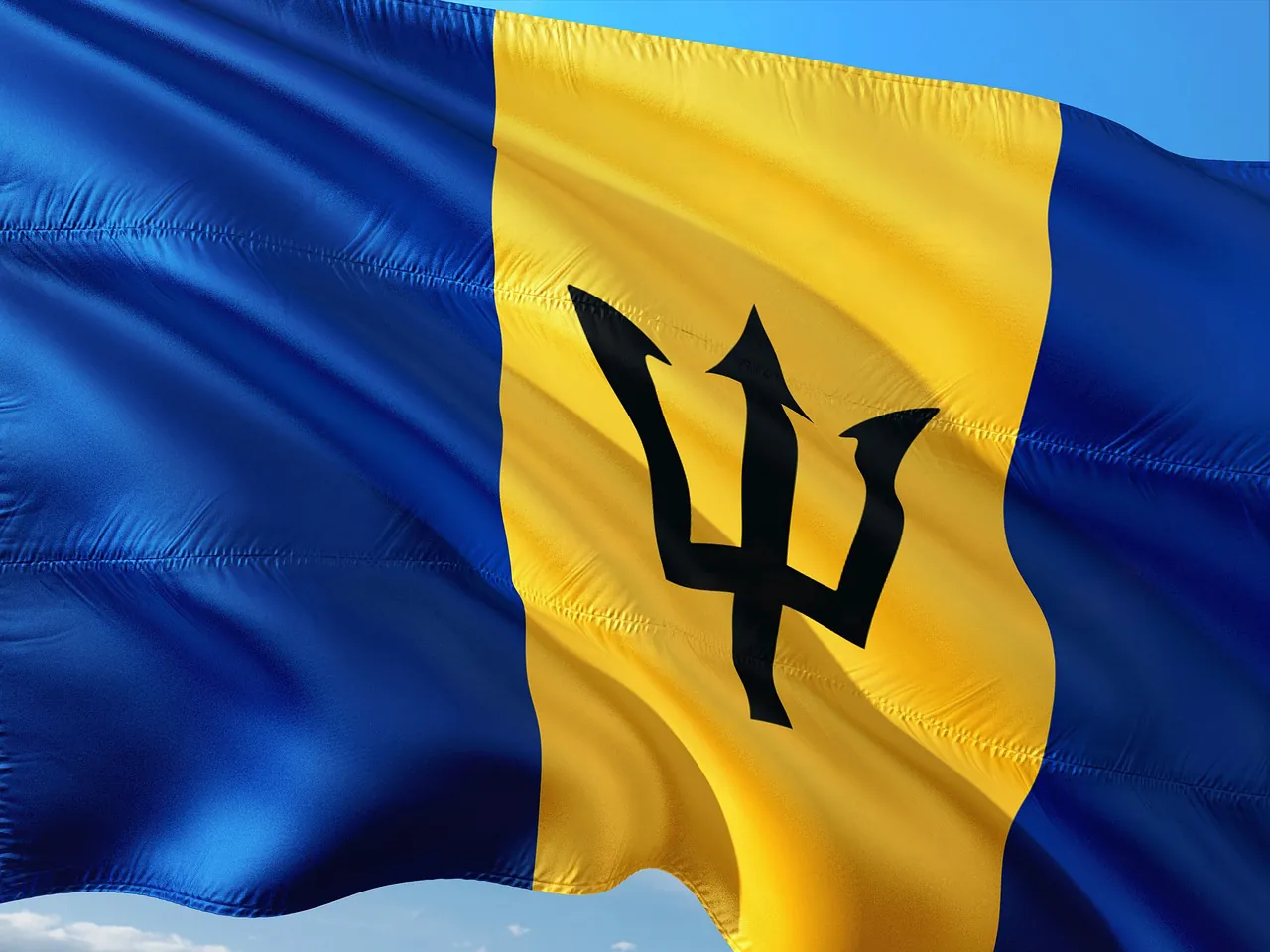
Welcome to Folkestone Marine Park, a sanctuary where Barbados’ unwavering commitment to ocean conservation translates into rigorous legal frameworks. While the clear waters and coral reef systems offer exceptional opportunities for aquatic observation, preserving this ecosystem requires strict adherence to local statutes. The operational framework here relies on profound respect for the natural environment, governed primarily by the Marine Areas (Preservation and Enhancement) Act Cap. 392 and the sweeping legislative updates introduced in the gazetted Integrated Coastal and Marine Management Bill of 2025.
Visitors are actively encouraged to examine the underwater topography, provided they understand their status as guests within a heavily regulated ecological zone. The 2025 legislative update was specifically designed to centralise enforcement powers and introduce comprehensive marine spatial planning, effectively replacing the older Coastal Zone Management Act (CZMA) Cap. 394. By comprehending and complying with these statutes, individuals directly participate in safeguarding the island’s marine heritage for decades to come. To ensure you have all the correct logistical information before arriving, consult our Plan Your Visit guide.
Understanding the legal boundaries of the park is essential. Under Barbados law, the specific definition of “public space” along the beaches is determined by the line of the highest wave run-up at mean tide, occurring between spring and neap tides. This precise demarcation ensures public access while protecting the fragile dune systems from illegal encroachment. Whether you are exploring the coastal boardwalk or examining the historical data at the Museum & Marine Heritage centre, an awareness of the legal landscape guarantees an educational and fine-free experience.
In-Water Zones & Protected Reefs
Folkestone Marine Park is partitioned using a strict zoning system designed to balance civilian recreation with uncompromised ecological preservation. Exploring the park requires a thorough understanding of these demarcated areas, as crossing into restricted zones carries severe legal consequences.
- The Scientific Zone: This highly restricted area is clearly demarcated by the Bellairs Research Institute marker and extends exactly 400 metres from the shoreline into the ocean. It is dedicated exclusively to uninterrupted marine research. Motorized vessels are strictly prohibited here without a specific research or enforcement permit. Even with authorization, vessels are legally bound to speeds of 5 knots to maintain a strict “no wake” environment. Those interested in viewing these protected waters without disturbing the habitat often book a guided Folkestone Coral Reef Clear Kayak Tour, which allows for non-invasive observation.
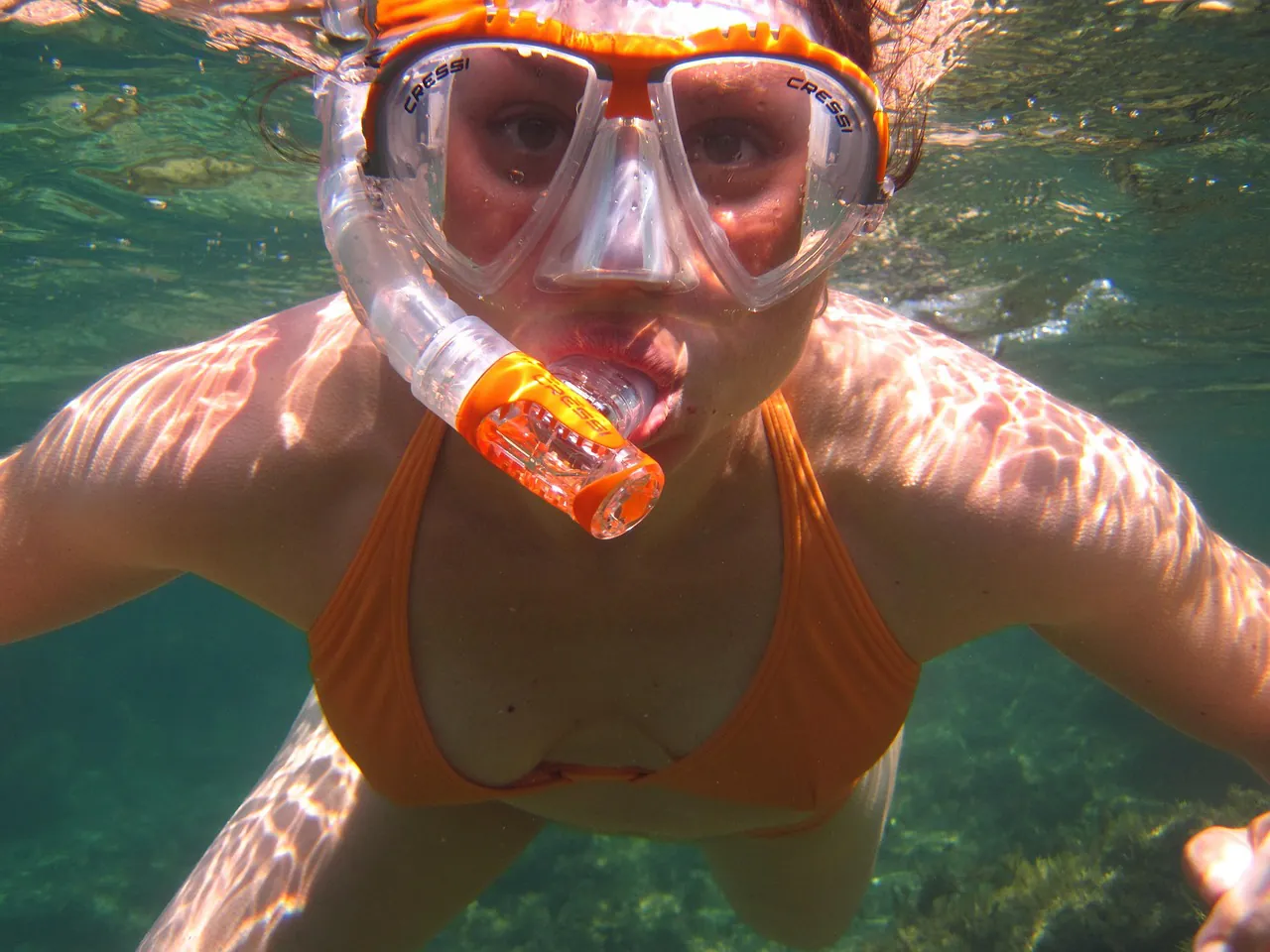
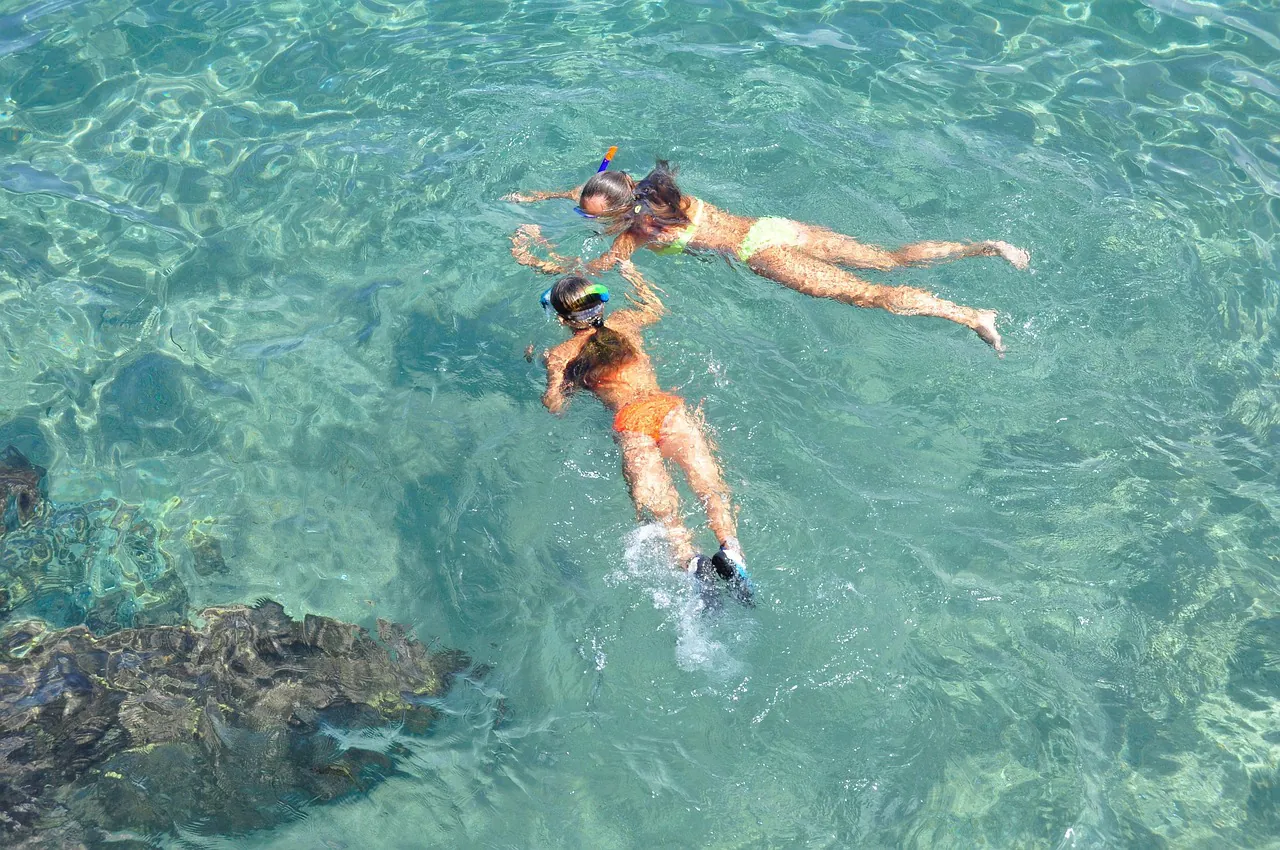
- The Recreational Zone: Positioned away from the research area, this zone features the designated snorkel trail and offers managed public access to the inshore reef ecosystem. For further details on designated swimming areas, review our Snorkeling & Park Activities directory.
- The Water Sports Zones: Designated at the northern and southern peripheries of the park, these channels are reserved for high-speed motorized watercraft. This separation ensures that swimmers and snorkelers remain entirely isolated from commercial boat traffic.
Strictly Prohibited Activities
To ensure the longevity of the coastal topography, managed in conjunction with the Coastal Zone Management Unit (CZMU), numerous activities are classified as criminal offences within the reserve. The 1981 Folkestone Marine Reserve regulations establish exactly 17 prohibited destructive acts within the park’s boundaries. These include the harvesting of coral, the dynamiting of reefs, and the destruction or removal of any starfish and shellfish.
Furthermore, spear fishing is subjected to an absolute ban across all park zones. It is illegal for any individual to possess spear guns, hooks, lines, fish traps, or explosives while inside the marine reserve. Any violation of these terms results in immediate gear confiscation and subsequent prosecution.
- Absolute Ban on Camouflage: Under Section 188 of the Barbados Defence Act, it is a criminal offence for civilians, including children, to wear or carry camouflage (“disruptive pattern material”). This law applies to all beachwear, hats, and bags, carrying penalties of up to $2,000 BBD or imprisonment.
- Sea Turtle Protection: Since July 1998, Barbados has enforced a total moratorium on the harvesting of Hawksbill and Leatherback sea turtles. Disturbing a nesting turtle or its eggs is heavily prosecuted. For guidelines on safe observation, consult our Barbados Snorkeling Safety Tips.
- Vehicle and Animal Restrictions: Driving motorized vehicles or riding horses on the beach sand without a specific permit from the National Conservation Commission (NCC) is illegal. This statute prevents dune erosion and protects buried turtle nests from being crushed.
Penalties and Enforcement Operations
The operational enforcement at Folkestone Marine Park is a joint effort between the National Conservation Commission (NCC) wardens and the local marine police division. Physical signage, notably updated in mid-2023 along the Vauxhall Reef, provides explicit warnings to all visitors: “NO FISHING by order of Management. Maximum Penalty of $1000 or 6 months imprisonment or both.” This penalty is grounded directly in the Marine Areas (Preservation and Enhancement) Act Cap. 392.
Commercial entities face even steeper consequences. Under the Shipping Act Cap 296 Section 300A(2)(a), any commercial diving operation that damages a coral reef commits an offence punishable by severe fines or imprisonment. Developers who continue prohibited coastal activities after receiving a CZMU enforcement notice are liable on summary conviction to fines reaching up to $100,000 BBD. Additionally, commercial activity at the park is governed by the NCC Act; all beach vendors must hold a valid NCC license, which is strictly renewed annually every June to control itinerant vending.
- Financial Levies: Heavy financial penalties are levied for poaching, unauthorized fishing, or causing structural damage to the coral reefs.
- Asset Seizure: Law enforcement retains the right to confiscate snorkeling equipment, spearguns, or watercraft utilized illegally within restricted zones.
- International Alignment: These stringent legislative measures are publicly documented via the Barbados Parliament and align directly with international environmental protection standards to ensure long-term marine biodiversity recovery.
Pro Tips for a Compliant and Eco-Conscious Visit
Navigating the legal landscape of Barbados’ protected coastal zones does not have to be intimidating. By arriving prepared, you can enjoy the pristine environment without risking fines or contributing to ecological degradation. If you are travelling from other parishes to reach the reserve, we recommend reviewing our comprehensive How to get to Folkestone Marine Park guide to understand public transit routes and on-site parking regulations before your arrival.
“Compliance is the foundation of conservation. The longevity of Folkestone’s marine ecosystem relies on every visitor understanding and respecting the exact coordinates of the reserve boundaries.”
One of the most effective ways to ensure absolute compliance with maritime zoning laws is to explore the waters alongside licensed professionals. Joining a licensed Folkestone guided boat tour guarantees that your vessel remains outside the 400-metre Scientific Zone and anchors only in designated, legal moorings, preventing accidental anchor drops on protected coral heads.
- Inspect Your Luggage: Before departing for your vacation, meticulously check your packed clothing. Ensure you have not packed any camouflage print items, including beach bags, swim trunks, or hats, to avoid violating Section 188 of the Defence Act.
- Study the Topography Markers: Upon arrival at the visitor centre, take five minutes to familiarize yourself with the physical color-coded buoys floating offshore. These markers dictate exactly where the northern boundary of the designated snorkel trail ends and the restricted Scientific Zone begins.
- Utilise Approved Sun Protection: While the use of chemical sunscreens has not yet been criminalized under the 2025 Integrated Coastal and Marine Management Bill, utilizing non-nano zinc oxide sunscreen is heavily requested by park rangers to prevent chemical coral bleaching.
- Explore Broader Coastlines: If you wish to engage in unregulated beach sports or casual fishing outside the reserve, consider reviewing our list of the Best Free Beaches on the West Coast of Barbados for alternative locations where marine park restrictions do not apply.