April Water Conditions: Temperature and Visibility in the Recreational Zone
Introduction: The April Transition
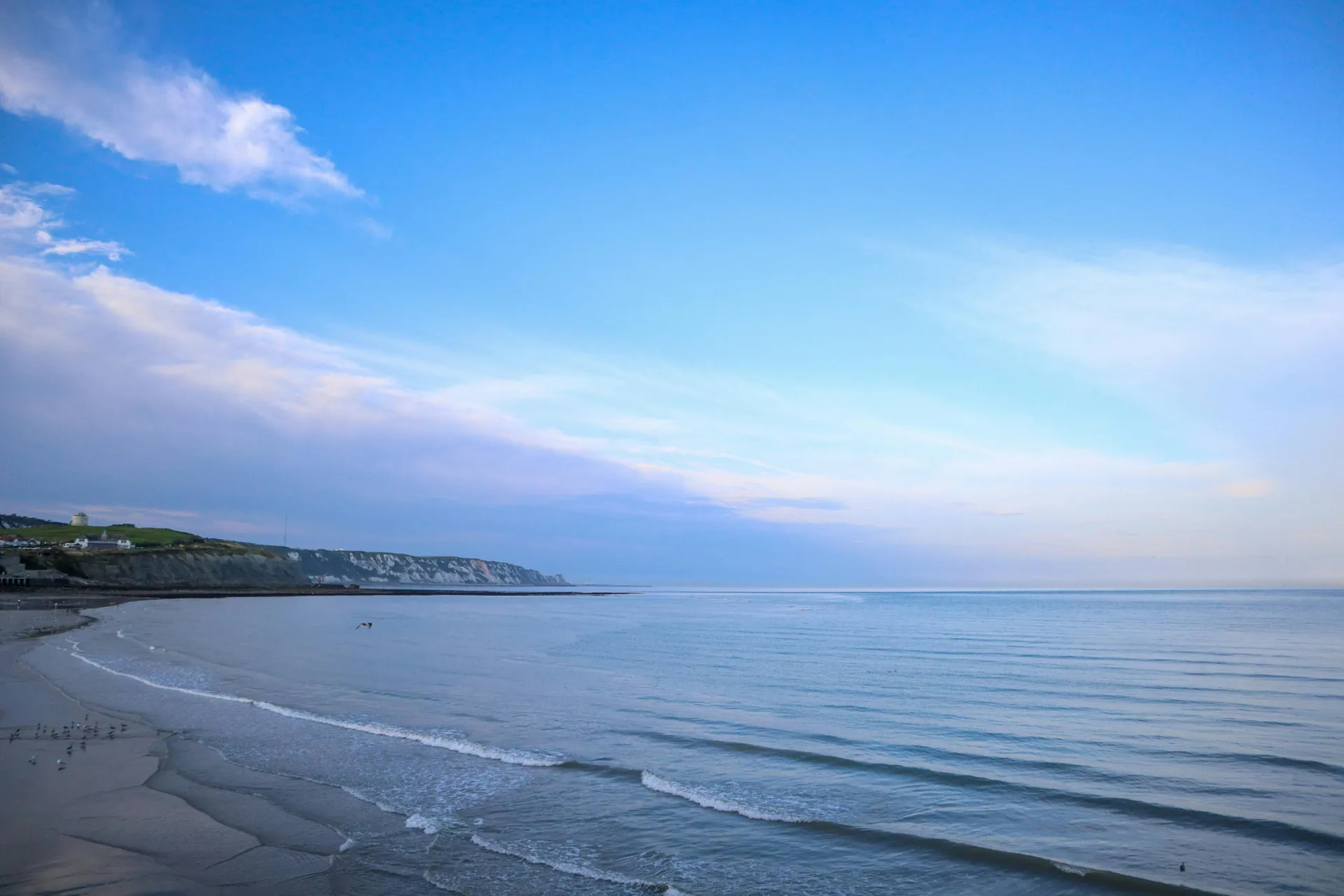
April initiates the critical shift from high-energy winter swells to the calmer shoulder season along the St. James coastline. As the easterly trade winds moderate, the inshore waters stabilize dramatically. Historical meteorological data from the Barbados Meteorological Services confirms a sharp drop in sustained wind speeds during this month. The Recreational Zone at Folkestone Marine Park records some of the most consistent underwater conditions of the entire calendar year during this specific window. The transition period allows the marine ecosystem to settle, creating optimal viewing parameters for underwater observation.
Entering the water means encountering a baseline sea surface temperature (SST) ranging strictly between 26°C and 27°C (79°F to 81°F). The sharp chill characteristic of January currents dissipates entirely by the first week of the month. You can float suspended above the coral structures for hours without losing core body heat, which is exactly the kind of environment most snorkelers are searching for.
Understanding Visibility Metrics and Secchi Depth
Marine biologists utilize a Secchi disk to measure water transparency, lowering a black-and-white plate into the water until it disappears from view. In the designated recreational areas, April readings frequently hit the sea floor before vanishing. This indicates that visibility is constrained only by the physical depth of the reef, not by water turbidity. Snorkelers can expect an unobstructed visual range of 15 to 25 metres (50 to 80 feet) on an average morning.
The lack of heavy terrestrial runoff during this dry season prevents the nutrient loading that triggers massive phytoplankton blooms. The water column retains a striking cyan hue rather than the murky green associated with heavy algal density. This pristine clarity makes identifying smaller marine species—such as juvenile parrotfish and cleaner shrimp—significantly easier for casual observers. Read more about the specific marine life you will encounter on our Snorkeling & Park Activities page.
| Metric | Typical April Range | Operational Notes |
|---|---|---|
| Avg. Water Temperature | 26°C – 27°C (79°F – 81°F) | Comfortable for extended observation without wetsuits. |
| Average Visibility | 15m – 25m (50ft – 80ft) | Highly dependent on arriving before peak wind hours. |
| Optimal Viewing Window | 09:00 AM – 10:30 AM | Lowest turbidity levels; minimal motorized traffic. |
| Tidal Impact | Low to Moderate | Consult local tide charts prior to reef access. |
Scientific Factors Influencing Clarity
The Science of Turbidity
Water clarity relies heavily on the behaviour of suspended particulates. April’s reduction in wave action allows fine sand and organic sediment to sink, locking into the sea floor. Arriving early captures this glassy effect perfectly. By late morning, wind-driven surface chop and motorized catamaran traffic agitate the water column, throwing sediment back into suspension. This phenomenon is especially noticeable near teh sunken barge located just offshore.
Thermocline & Depth Dynamics
The nearshore reef system operates on a shallow profile, dropping from zero to five metres. This topographical reality forces the water column to remain thoroughly mixed by the ambient coastal breezes. Snorkelers rarely hit sharp thermoclines—those sudden, jarring layers of freezing water that shock the body. Incoming tides draw cooler oceanic water across the reef flats, flushing out minor debris from the shallow sandy stretches.
Conservation and Water Quality Standards
The sheer optical clarity observed in this specific zone stems directly from the 1981 conservation mandate. Implementing strict boundaries for scientific research versus recreational swimming stops unregulated vessel anchoring from crushing the fragile coral matrix. A physically intact reef filters the surrounding ocean naturally. Sponges and coral polyps extract microscopic detritus from the water column, improving localized visibility hour by hour.
The Barbados Marine Trust, operating alongside the Coastal Zone Management Unit, continuously monitors these protected boundaries to maintain biological health. You can explore these protected perimeters with minimal environmental impact by booking a Folkestone Coral Reef Clear Kayak Tour. Propelling a transparent vessel over the reef lets you observe the marine architecture without dragging heavy fins across the delicate calcium carbonate structures. Understanding the strict rules of engagement remains critical for all visitors; review our official Barbados Snorkeling Safety protocols before approaching the shoreline.
“To capture the absolute highest visibility metrics, put your mask in the water at exactly 9:15 AM. The daily influx of tour boats and beachgoers has not yet disturbed the sand bed.”
Expert Logistics for April Snorkelers
Timing dictates the quality of your underwater experience. The “Golden Hour” for maximum water clarity strikes at 9:15 AM. At this specific time, the sun sits high enough to penetrate the water column and illuminate the coral heads, but the daily density of human activity remains low. Navigating the rocky beach entrance demands sturdy protective footwear to step safely around sea urchins hiding in the limestone crevices.
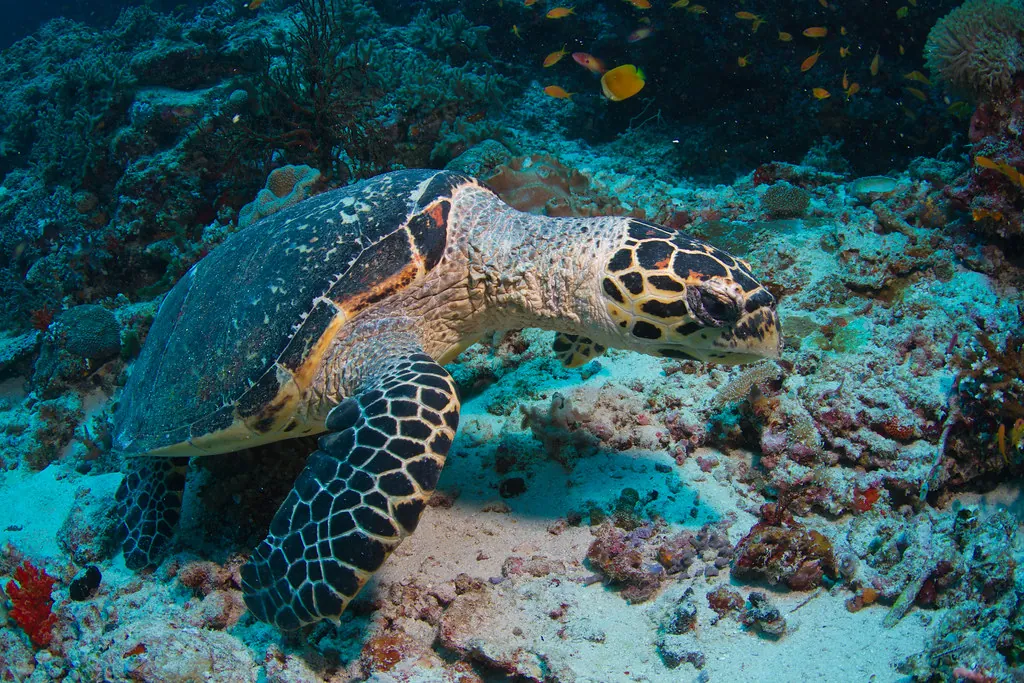
If you plan to explore the outer perimeters of the marine park, joining a guided Barbados Turtle and Shipwreck Snorkel Adventure takes you past the inner reef into pristine, deeper channels where visibility often exceeds 25 metres. These operators know exactly how to maneuver around the designated marker buoys safely.
Practical preparation guarantees a seamless morning. You can rent professional-grade snorkel gear directly from the official visitor centre for $20.00 to $30.00 BDS per day. Early arrivals secure the limited free parking spaces, which typically reach capacity by 9:00 AM. Consult our transport guide to map out your morning transit, or review navigating local Barbados transport if you plan to utilize the yellow buses along Highway 1.
Maximizing Your Itinerary Beyond the Reef
Logging an hour of continuous swimming burns a significant amount of energy. Once the late morning winds agitate the water surface and reduce visibility, pack up your gear and utilize the onsite freshwater hydration stations. Reducing single-use plastics directly supports the ongoing health of the marine reserve.
After drying off, transition into Holetown. Many visitors use the midday heat to explore the Folkestone Museum (entry fee is $10.00 BDS for adults) to examine the whale skeletons and historical photographs detailing the 1981 establishment of the park. Alternatively, you can head into town for an Original Bajan Walking Food Tour to replace spent calories with local culinary staples. For those looking to extend their coastal exploration, review our breakdown of the free beaches on the West Coast or read our guide to nearby West Coast attractions to plan the remainder of your afternoon itinerary.
Comprehensive trip mapping reduces friction upon arrival. Head over to our Plan Your Visit hub to verify current operating hours, locate the overflow parking at St. James Parish Church, and ensure your April marine excursion proceeds without interruption.