Overview: A Sanctuary for Critically Endangered Marine Life
Experiencing the marine ecosystem at Folkestone Marine Park requires a profound respect for the delicate balance of its underwater habitats, particularly when sharing the water with the Critically Endangered Hawksbill turtles. Located just off the active St. James shoreline, this 2.1 square-kilometre protected marine area serves as a legally enforced refuge. Visitors entering these waters are stepping into an environment where conservation dictates the daily rhythm. There is a hushed reverence among early morning swimmers who glide through the clear waters, acutely aware that they are temporary guests in a meticulously guarded sanctuary.
This park provides a stark contrast to heavily commercialised tourist encounters. Instead, the Folkestone visitor experience is a deliberate exercise in environmental stewardship. The operational structure of the reserve caters entirely to the natural behaviours of its inhabitants, from silent morning foraging routines to guarded nightly nesting rituals. Every regulation enforced within the Folkestone Marine Park boundaries is designed to elevate the observation experience by ensuring the ecosystem thrives without anthropogenic stress. Visitors witness these marine reptiles exactly as nature intended: wild, undisturbed, and behaving according to millions of years of evolutionary instinct.
As of 2026, Hawksbill turtles remain listed as Critically Endangered on the IUCN Red List, making Folkestone’s strict enforcement protocols vital to the species’ regional survival.
Before entering the water, guests are encouraged to review the park’s broader conservation objectives at the Museum and Marine Heritage centre, which details the history of the reserve’s establishment in 1981 and its ongoing mission to protect Barbados’ coastal biodiversity.
Prime Foraging Habitats
Bellairs Fringing Reef Observation Windows
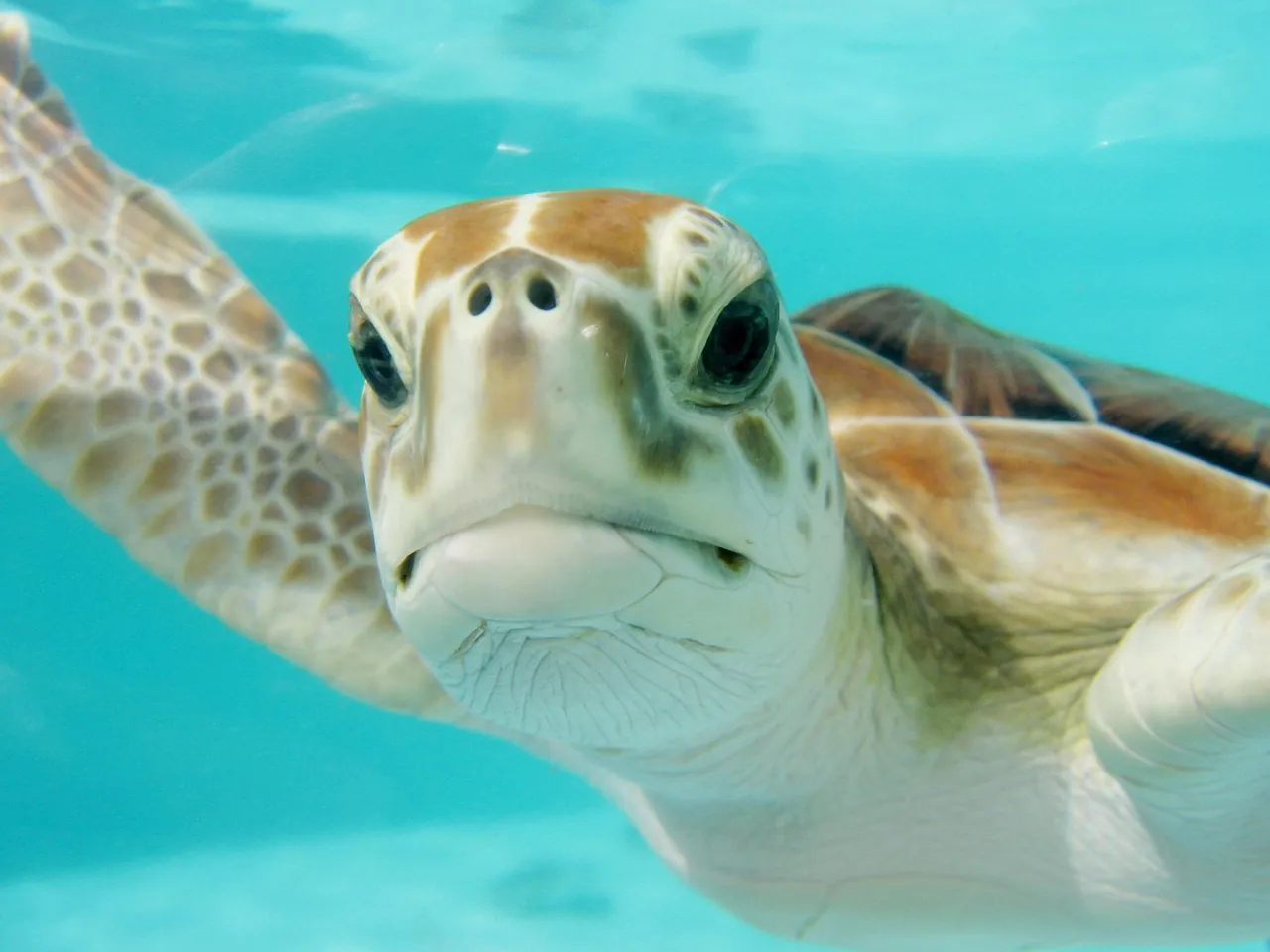
The optimal time for visitors to spot Hawksbills actively foraging along the Bellairs Fringing Reef is during the early morning observation windows, strictly between 6:00 AM and 8:30 AM. Arriving during this specific timeframe allows swimmers to experience maximum water clarity before heavier commercial boat traffic stirs the sandy seabed. During these quiet hours, the turtles are highly active, calmly navigating the complex reef structures in search of their morning meal. The adjacent Scientific Zone, managed in partnership with the Bellairs Research Institute of McGill University, strictly prohibits all motorised powercraft unless operating under 5 knots for permitted research. This creates an entirely vibration-free sanctuary where turtles can feed without acoustic disruption.
Near-Shore Seagrass Beds and Diet
Just 400 metres from the shoreline, the shallow seagrass beds offer an exceptional opportunity to witness spongivore feeding mechanics. Hawksbill turtles are uniquely adapted to feed almost exclusively on toxic sea sponges. According to the Barbados Ministry of Environment and National Beautification, this highly specialised diet provides a critical ecological service: by consuming these sponges, the turtles actively prevent them from overgrowing and suffocating Folkestone’s slower-growing Finger Corals. Swimmers exploring the designated snorkel trail can frequently observe this exact biological process, providing a real-time masterclass in marine interdependence.
Behavioural Guidelines for Swimmers
Interaction with marine life at Folkestone is governed by strict local maritime laws designed to minimise human impact. Visitors must familiarise themselves with these rules prior to entering the Recreational Zone. For a broader overview of personal safety in the water, visitors should also consult our Barbados Snorkeling Safety Guide.
Approach Distances and Legal Mandates
Under local conservation guidelines and the protective framework of the Marine Areas Act (Cap. 392), divers and snorkelers must strictly maintain a safe approach distance—typically 1.5 to 3 metres (5 to 10 feet)—from any sea turtle. This spatial buffer is necessary to prevent elevating the heart rates of these critically endangered animals. There is an absolute zero-tolerance policy for touching or chasing turtles. Physical contact alters their natural behaviour and can transmit harmful human bacteria to their porous shells. Visitors hoping for a respectful, guided encounter that adheres strictly to these rules often choose to join a Folkestone Coral Reef Clear Kayak Tour, which provides a zero-emission, non-invasive vantage point.
Photography and Vessel Regulations
- Zero-Flash Photography: Visitors must disable all camera flashes before entering the water. Bright flashes can disorient foraging adults and disrupt their natural behaviour, severely compromising their ability to navigate the reef.
- Vessel Speed Limits: To prevent fatal boat-strike injuries, the Folkestone Marine Park Recreational Zone enforces strict speed limits. All motorised watercraft must maintain a 5-knot “no wake” speed when operating within 75 metres of the shoreline.
- Equipment Protocols: The use of underwater scooters or any motorised personal propulsion devices is heavily restricted near known foraging grounds to reduce acoustic pollution.
Nesting Season and Nighttime Observation
The biological timeline of the Hawksbill turtle dramatically alters the operational focus of the park during the latter half of the year. Understanding this cycle is crucial for visitors planning evening walks along the West Coast boardwalks.
The Breeding and Incubation Cycle
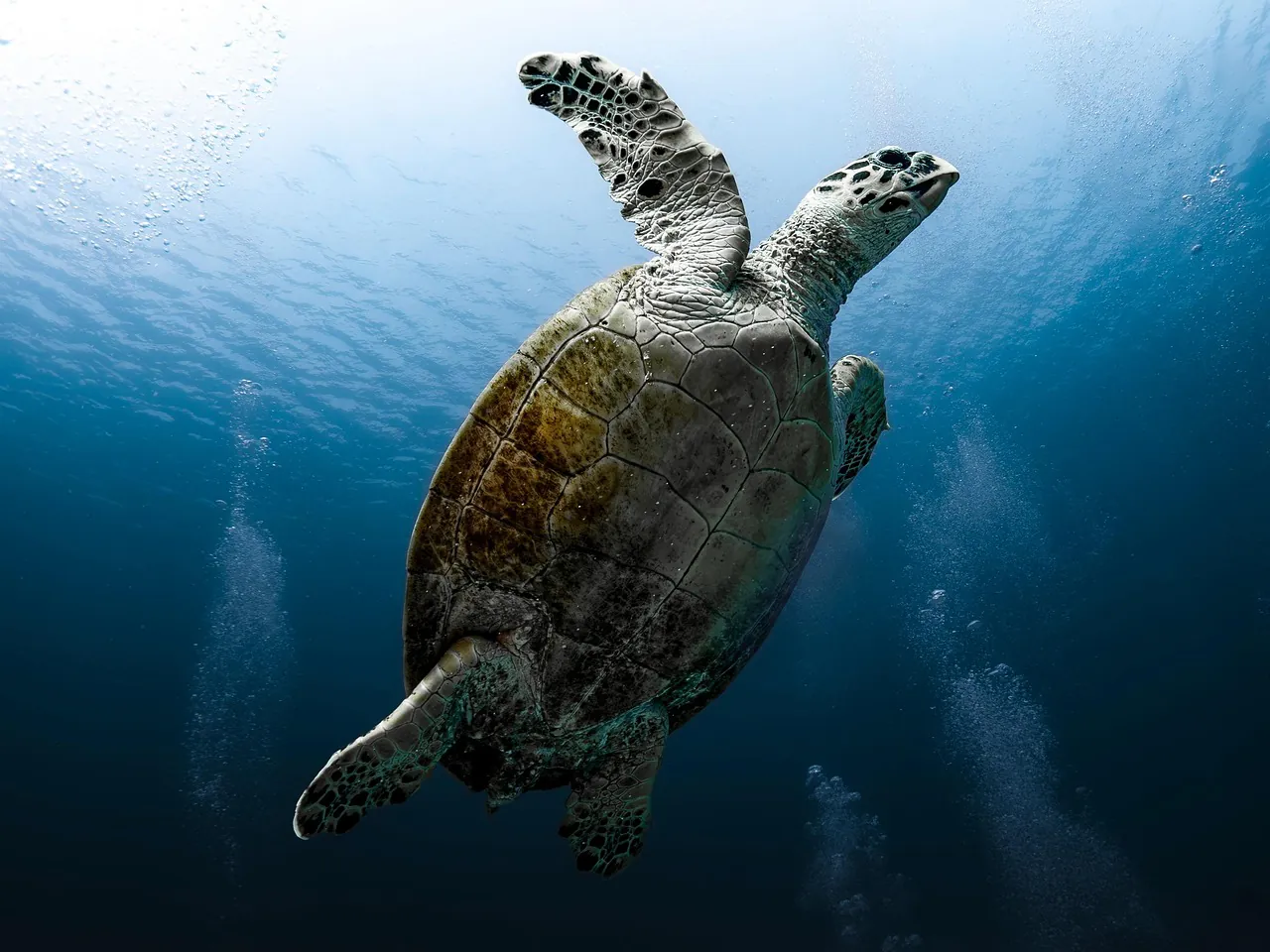
The official Hawksbill nesting season spans from June to November. During these peak months, high-density West Coast beaches are monitored nightly by the Barbados Sea Turtle Project (BSTP). A mature female Hawksbill typically returns to the exact stretch of the St. James coast where she was born every 2 to 3 years. She will dig a deep chamber in the sand above the high-tide line, laying an average of 150 eggs per nest. These eggs incubate beneath the sand for approximately 60 days. To avoid daytime predators such as mongooses and ghost crabs, the hatchlings almost exclusively emerge just after sunset, relying on the natural light of the moon reflecting off the ocean to guide them to the water.
Community Coordination and Emergency Reporting
Protecting these nesting sites requires massive island-wide coordination. The BSTP rescues tens of thousands of hatchlings annually. Local coastal properties, including the Coconut Court Beach Hotel in Hastings and various St. James establishments, actively coordinate with conservationists to implement “turtle-friendly” amber lighting. Artificial white light easily disorients hatchlings, leading them inland toward roads instead of the safety of the ocean.
If you spot a nesting female or disoriented hatchlings near the Folkestone boardwalk, do not approach them or use your phone’s flashlight. Immediately contact the Barbados Sea Turtle Project’s 24-hour hotline at +1 (246) 230-0142.
Traveler Advice and Logistics
For visitors structuring their itinerary around marine observation, precise timing and adherence to park zones are essential. The entire Folkestone Marine Reserve extends 950 metres offshore at its widest point, offering ample space for both independent snorkelers and those joining structured excursions. If you prefer to have a marine biologist or certified guide present, booking a Barbados Turtle and Shipwreck Snorkel Adventure ensures you remain within safe, legal parameters while exploring the outer reef systems.
| Observation Type | Optimal Timing | Key Location | Primary Regulation |
|---|---|---|---|
| Foraging Adults | 6:00 AM – 8:30 AM | Near-Shore Seagrass Beds | Maintain 3-metre distance |
| Spongivore Feeding | 8:30 AM – 11:00 AM | Bellairs Fringing Reef | No motorised scooters |
| Nesting Females | Post-Sunset (April-Nov) | St. James Sandy Beaches | Zero artificial light / flash |
| Hatchling Emergence | Nighttime (June-Jan) | High-Tide Line | Call +1 (246) 230-0142 |
If you are travelling from other parts of the island to reach the reserve for the 6:00 AM observation window, we highly recommend reviewing our dedicated guide on How to get to Folkestone Marine Park. Early morning transport options, including the blue government buses and yellow ZR vans, begin routes along Highway 1 well before sunrise. On-site parking is available for those driving rental vehicles. After your morning snorkel, the park’s central location in Holetown makes it easy to transition to Nearby Attractions, allowing you to explore local history and culinary offerings just a short walk from the marine centre.
To ensure you have all necessary equipment and understand the layout of the underwater trails before your arrival, please finalise your trip details via our comprehensive Plan Your Visit resource hub.