Introduction: Labour Day 2026 at Folkestone
Public holidays on the West Coast of Barbados transform quiet coastal reserves into lively gathering spaces for local families and international visitors alike. Labour Day 2026 at Folkestone Marine Park requires deliberate preparation for anyone expecting a seamless day by the water. The first weekend of May typically draws maximum capacity crowds to this specific 400-metre stretch of St. James shoreline. Understanding the precise logistics of park access, facility availability, and crowd flow dictates whether you secure a prime spot under the mahogany trees or find yourself circling the perimeter searching for an opening.
Early planning separates the seasoned park visitors from the frustrated arrivals. The marine reserve operates differently on national holidays compared to a standard Tuesday morning. Standard municipal services adapt, traffic along Highway 1 thickens significantly, and local groups establish their basecamps long before the sun reaches its peak. A successful Labour Day outing here demands knowing exactly when to arrive and what to pack.
Operating Hours for Labour Day 2026
Holiday operations at the reserve present a split schedule. The public beach, the immediate park grounds, and the designated underwater snorkel trail remain open 24 hours a day. Visitors retain unrestricted access to the water and the shaded picnic zones regardless of the calendar date. Park entry remains entirely free.
Conversely, the administrative buildings adhere strictly to the national public holiday schedule. The Museum & Marine Heritage building, along with the official Visitor Centre, will remain closed for the entirety of Labour Day. You cannot access the indoor educational exhibits, view the reconstructed whale skeleton, or pay the standard $10.00 BDS entry fee for the historical displays until normal operations resume the following Monday morning. Head over to our Plan Your Visit page for a full breakdown of standard operational hours.
The Picnic Experience: A Folkestone Tradition
Folkestone stands as the premier destination for Bajan families during national holidays. The topography of the reserve—featuring an elevated, grass-covered bank situated directly behind the sand—allows groups to set up complex picnic arrangements without sinking into loose beach terrain. The mature mahogany and casuarina trees cast broad, cooling shadows over the wooden benches, eliminating the absolute necessity of bringing heavy beach umbrellas.
The atmosphere shifts distinctly on Labour Day. You will encounter large multi-generational families operating industrial-sized coolers, sharing massive containers of macaroni pie, flying fish, and roasted breadfruit. The scent of seasoned barbecue smoke drifts across the park by mid-morning. It constitutes a brilliant environment for those interested in authentic local holiday culture, provided you embrace the dense, energetic crowd rather than expecting a silent, isolated retreat. For more details on active pastimes in the water, check the Snorkeling & Park Activities guide.
How to Reserve Your Picnic Spot
No formal online reservation portal exists for the standard wooden picnic tables scattered across the reserve. The entire park operates on a strict first-come, first-served basis. If you want a specific table near the southern edge of the beach, you must physically occupy it early in the morning. Leaving a towel draped over a bench will not suffice on a busy public holiday; a member of your party must remain stationed there.
Large coordinated groups numbering 10 or more people fall under different jurisdictional rules. If you plan to erect large pop-up tents, stage organized events, or bring in external catering equipment, you must contact the National Conservation Commission well in advance. The NCC issues specific permits for substantial gatherings to prevent any single group from monopolizing the public space, securing teh best shade, or obstructing the primary walkways.
Holiday Capacity & Crowd Management
The park reaches maximum capacity by 11:00 AM on major holidays. The primary free parking lot, situated directly adjacent to the main entrance, reliably fills to its absolute limit before 9:00 AM. Arriving at 10:30 AM guarantees that you will have to drop off your passengers and equipment at the gate before driving back out to the main highway to hunt for alternative parking.
To outpace the rush, aim to park your vehicle no later than 8:45 AM. If the main lot is already blocked off, an overflow parking zone operates at the St. James Parish Church, located roughly 70 metres south of the reserve entrance. This secondary lot requires a short walk along the pavement, but it prevents you from having to abandon your vehicle on dangerous residential verges. Staff often implement temporary traffic flow measures to acommodate the sudden influx of vehicles. Review our How to get to Folkestone Marine Park guide for detailed navigation tactics.
Facility Maintenance & Holiday Closures
Despite the closure of the indoor museum, the fundamental outdoor amenities remain operational. The public restroom block and the outdoor freshwater shower stations function normally, serviced periodically by municipal staff throughout the day. The children’s playground, featuring swings and climbing frames, stays accessible from dawn until dusk.
Expect lines at the restroom facilities during peak afternoon hours. Water pressure in the outdoor showers occasionally drops when multiple people attempt to rinse off the saltwater simultaneously. The onsite hydration stations remain active, dispensing filtered water for those carrying reusable bottles.
Safety Protocols for High-Traffic Days
High holiday density demands heightened situational awareness in the water. The designated snorkel trail sees heavy traffic, increasing the risk of accidental collisions between swimmers. You must navigate the nearshore reef cautiously, keeping a respectful distance from other groups floating above the coral structures. Lifeguards monitor the designated swimming zones, but the sheer volume of people requires you to take personal responsibility for your party.
The entrance to the main snorkel reef is notoriously rocky and uneven. The seabed drops sharply in specific sections, and sharp coral fragments litter the shallows. Wearing durable reef shoes is non-negotiable here. Without proper foot protection, a minor slip can result in severe cuts from the calcified rock. Pay close attention to the specific spot you are looking for.
For a comprehensive breakdown of ocean protocols, read our Barbados Snorkeling Safety: Protecting Reefs and Yourself manual.
Essential Gear & Budget Hacks
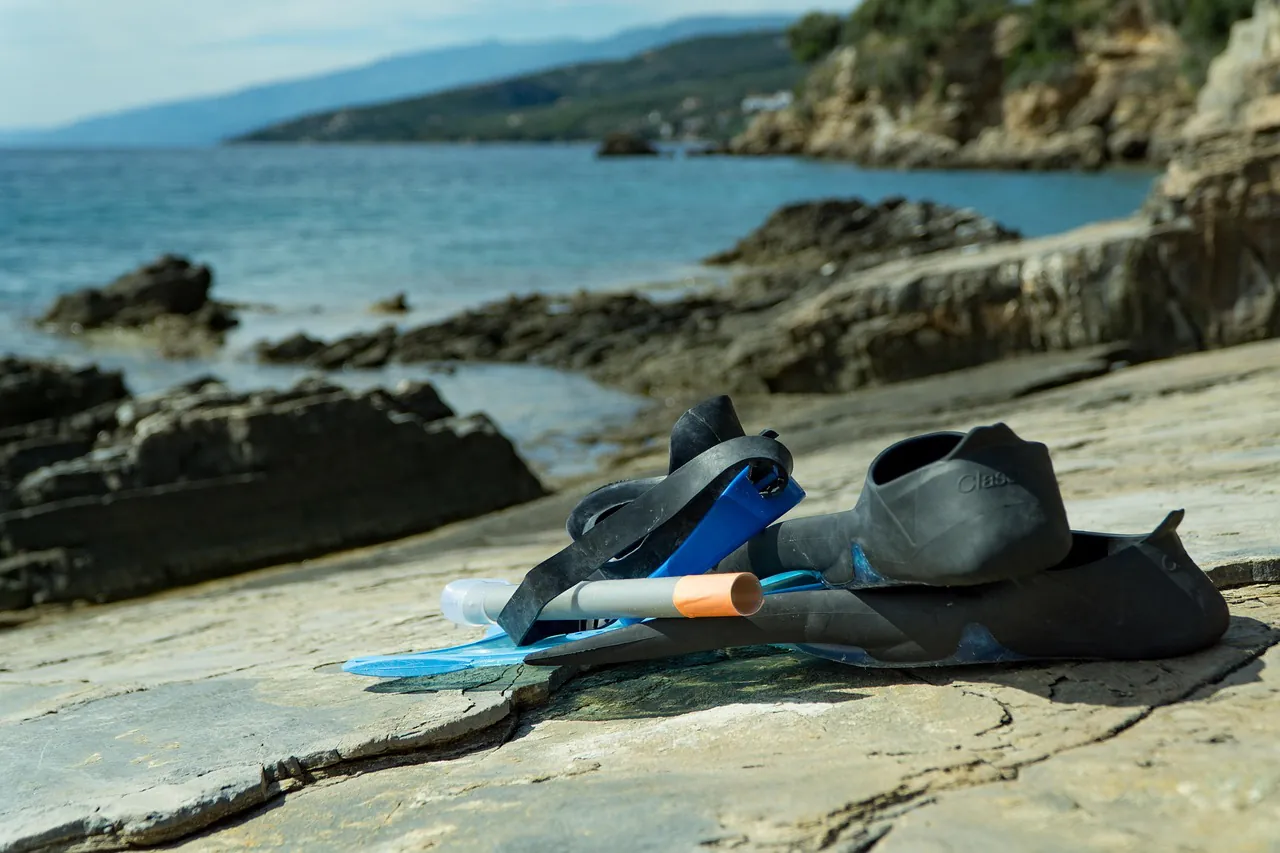
Relying on the local equipment rental kiosks on Labour Day carries significant risk. The available stock of high-quality masks, snorkels, and properly sized fins depletes rapidly by mid-morning. Bringing your own thoroughly fitted gear bypasses the rental queues and guarantees your equipment will not leak halfway through your swim.
- Cash Reserves: Keep $50 to $60 USD (or $100 to $120 BDS) in low-denomination bills. Independent beach vendors sell cold drinks, snacks, and quick services, and they rarely carry credit card machines.
- Hydration: Utilize the free municipal water station near the changing rooms to refill your bottles, bypassing the marked-up bottled water sold on the sand.
- Sun Protection: The mid-day UV index in May regularly exceeds 10. Apply reef-safe sunscreen heavily and wear UV-rated rash guards in the water.
Beyond the Park: Exploring Barbados on Your Day Off
If you find Folkestone too congested by the early afternoon, the island presents numerous geographical escapes. A Labour Day weekend grants you the perfect timeframe to drive away from the West Coast and inspect the rugged eastern shoreline or the historical interior. For a broader perspective on St. James, check out Exploring Barbados: Nearby Attractions.
Travellers wanting dedicated transport can book a Barbados Full-day Private Tour to navigate these remote sites effortlessly without fighting the holiday traffic yourself.
Adventure Awaits: Top-Rated Regional Sites
1. Cole’s Cave
Situated in the parish of St. Thomas, Cole’s Cave remains a formidable geological formation demanding respect from anyone attempting to chart its depths. Unlike the highly commercialized Harrison’s Cave, this underground system lacks paved walkways, floodlights, or tram cars. An underground river courses through the dark limestone tunnels, eventually feeding into the coastal water table. Exploring this cavern requires physical stamina, waterproof headlamps, and a willingness to wade through waist-deep, cold subterranean pools.
You must hire an experienced local spelunking guide before entering the cave mouth. The internal network branches off into multiple confusing chambers, and the risk of disorientation is severe for unguided tourists. Those who make the trek witness massive, untouched stalactites and complex crystal formations that have developed in total darkness over millennia.
2. Chase Vault
Located in the graveyard of the Christ Church Parish Church in Oistins, the Chase Vault anchors one of the most documented historical mysteries in the Caribbean. During the early 19th century, burial parties repeatedly opened the heavy lead-sealed stone door only to discover that the massive lead coffins of the Chase family had been violently violently thrown around the interior. The heavy caskets were found standing on end or tossed against the limestone walls, despite the external seals remaining completely intact.
The Governor of Barbados eventually ordered the vault permanently emptied in 1820 after his own sand-seals proved no human tampering had occurred between openings. Today, you can walk through the quiet churchyard and peer directly into the open, empty vault. The historical records of the Chase Vault defy standard scientific explanation, leaving visitors to decide whether seismic activity, flooding, or more supernatural forces caused the disturbances.
3. Rihanna Drive
Formerly known as Westbury New Road, this quiet residential street in Bridgetown underwent a massive cultural renaming to honour the island’s most famous global export. The street functions as a tangible marker of Rihanna’s childhood, displaying the modest green and yellow house where the billionaire musician grew up before moving to the United States. A large monument at the top of the road details her early life, her career trajectory, and her lasting impact on Barbadian culture.
The street retains its authentic, working-class neighbourhood feel. Local residents operate small rum shops and food stalls directly adjacent to the childhood home, selling cold Banks beer and fish cakes to visiting fans. Walking down Rihanna Drive provides a stark, grounding contrast to the ultra-luxury resorts of the Platinum Coast, illustrating the reality of everyday life in the capital.
4. Cattlewash Beach
Stretching aggressively along the eastern Atlantic coast in the parish of St. Joseph, Cattlewash Beach subjects visitors to intense ocean winds and massive, rolling surf. The area earned its name centuries ago when local farmers drove their livestock down to the ocean to clean them in the pounding waves. Today, the beach serves as a dramatic landscape for long coastal hikes, characterized by jagged rock formations and a constant, roaring sea breeze.
Swimming in the open water here is strictly prohibited due to deadly undertows and unpredictable currents. Instead, visitors utilize the naturally formed rock pools that fill with seawater during high tide. These protected basins warm up under the afternoon sun, creating natural therapeutic baths shielded from the destructive force of the Atlantic swells crashing just metres away.
5. Long Beach
Occupying the southernmost edge of Christ Church, Long Beach claims the title of the longest continuous stretch of sand on the island. The sheer scale of the coastline guarantees total isolation, even during major public holidays when the western beaches are packed shoulder-to-shoulder. The wind hits this exposed southern point with relentless force, driving heavy waves onto the sloping shore.
The consistent trade winds transform Long Beach into a premier destination for advanced kitesurfers. You can sit on the high dunes and watch professionals launch themselves off the crests of the waves. Like the East Coast, the currents dictate that casual swimming is dangerous, making this a location exclusively reserved for extreme water sports, beachcombing, and escaping the holiday crowds.
6. Consett Bay
Tucked into the rugged cliffs of St. John, Consett Bay operates as a highly functional, rough-and-ready fishing village. The bay serves as the primary harbour for the East Coast fishing fleet, sheltering the small, brightly painted day-boats from the worst of the Atlantic weather. The local fish market acts as the economic core of the community, where fishermen unload fresh catches of marlin, mahi-mahi, and flying fish directly onto the concrete scales.
Visiting Consett Bay delivers a raw look at the Barbadian fishing industry. The steep, winding road down to the bay cuts through thick vegetation before opening up to reveal the dramatic ocean drop-off. If you arrive mid-afternoon, you can purchase fish straight off the ice, interacting directly with the men who pull the island’s staple food from the treacherous eastern currents.
7. Maycocks Bay
Hidden near the northern tip of the island in St. Lucy, Maycocks Bay demands a difficult trek down a steep, unpaved cliff path to reach the sand. The ruins of Maycocks Fort, an abandoned colonial defence structure, sit deteriorating in the encroaching jungle above the bay. The isolation of this location keeps it entirely off the standard tourist radar.
The bay commands respect among the local surfing community. During the winter swell, the offshore breaks generate massive, perfectly formed waves that attract dedicated boardriders willing to brave the sharp reef below. For non-surfers, the bay provides a rugged, silent retreat surrounded by towering limestone cliffs and crashing northern waters.
8. Six Men’s Bay
Six Men’s Bay anchors the northern stretches of St. Peter, sustaining a deeply rooted boat-building and fishing heritage. You can still observe local craftsmen repairing wooden fishing vessels on the hardstand, utilizing techniques passed down through generations. The village moves at a fraction of the speed of Holetown, prioritizing the daily rhythm of the tides over commercial tourism.
The culinary draw of Six Men’s Bay peaks on weekend evenings. Small, unpretentious rum shops and outdoor grills fire up to serve some of the best fried fish on the island. For those seeking culinary exploration, the Original Bajan Walking Food Tour presents an excellent alternative, but driving up to Six Men’s allows you to experience the authentic Friday night fish fry atmosphere without the massive crowds found down south in Oistins.
9. Culpepper Island
Located just off the coast of St. Philip, Culpepper Island measures roughly 30 metres across, qualifying as little more than a large, vegetation-covered rock protruding from the Atlantic. It holds the distinction of being the only distinct island sitting immediately off the Barbadian mainland. The island is entirely uninhabited, serving primarily as a roosting site for local seabirds.
Reaching Culpepper requires precise timing and absolute caution. During extreme low tide, a shallow rocky channel connects the island to the mainland, allowing agile hikers to wade across the gap. You must calculate the returning tide perfectly; if the water rises while you are standing on the rock, the channel becomes a violent, impassable current that sweeps directly out to the open ocean.
10. Hunte’s Gardens
Carved into a massive natural sinkhole in the parish of St. Joseph, Hunte’s Gardens represents a monumental achievement in landscape architecture. Horticulturist Anthony Hunte transformed this collapsed cave system into a multi-level botanical reserve. Tall palm trees reach up out of the crater, while dense ferns, rare orchids, and brightly coloured heliconias choke the descending pathways. Classical music plays discreetly from hidden speakers, echoing off the limestone walls as you navigate the stone steps.
The experience concludes at the top of the sinkhole on the veranda of Hunte’s converted stable house. Visitors are frequently invited to sit with the eccentric owner, drink heavily spiced rum punch, and look out over the canopy they just explored. Check the official Hunte’s Gardens website for specific seasonal blooming times and entry fees.
Logistics & Transport Tips
Navigating the West Coast on a public holiday demands patience. Traffic along Highway 1 through Holetown crawls at a fraction of its normal speed due to pedestrian crossings and overflowing car parks. If you rely on public transport, exact change is mandatory for the large blue government buses, while the yellow buses and ZR vans accept smaller change. The standard fare across the island remains strictly $3.50 BDS per ride. Read our comprehensive post on Navigating Barbados: A Guide to Local Transport before standing at the bus stop.
If you drive and encounter a full lot at the reserve, proceed immediately to the St. James Parish Church. The church officials often permit overflow parking on their grounds during major public holidays, provided you respect the historic property. It sits a mere 70 metres from the park entrance, making the walk back with your coolers highly manageable.
Eco-Conscious Holiday Etiquette
The sheer volume of visitors during Labour Day puts immense strain on the marine ecosystem. You must actively minimize your environmental footprint to protect the 2.2 kilometres of protected coastline. Utilize the park’s free hydration stations instead of hauling packs of single-use plastic water bottles onto the sand. Ensure your rubbish makes it into the large municipal bins; wind frequently blows loose plastic directly from the picnic tables into the water.
If you plan to enter the water, apply only reef-safe sunscreen. Chemical sunscreens containing oxybenzone strip the coral of its nutrients, causing irreversible bleaching. You might also consider an organised Barbados Turtle and Shipwreck Snorkel Adventure if you prefer a guided excursion that enforces strict environmental protocols. For more details on other coastal spots, explore our guide to The Best Free Beaches on the West Coast of Barbados.